|
|
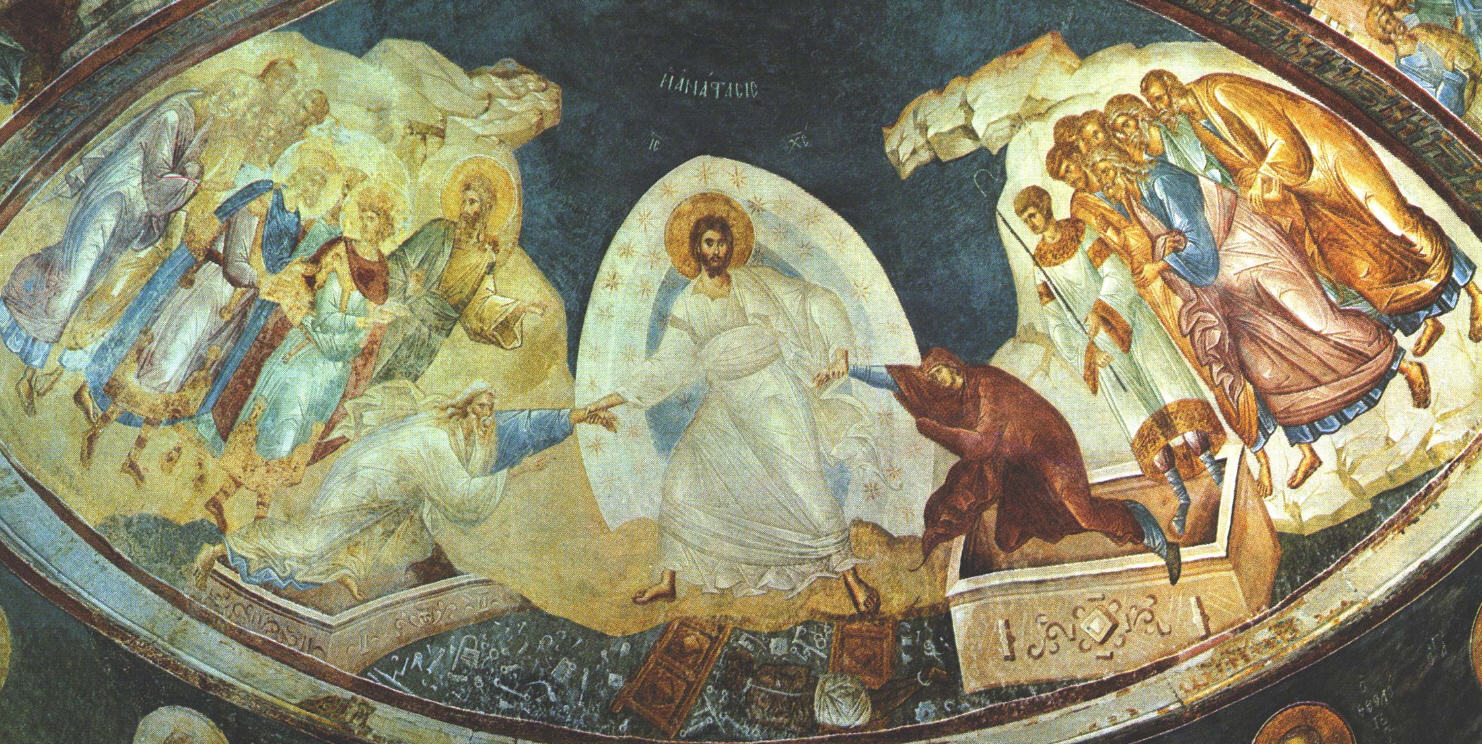
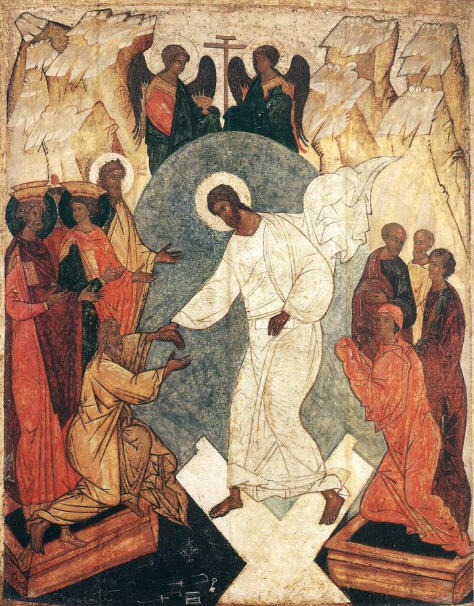
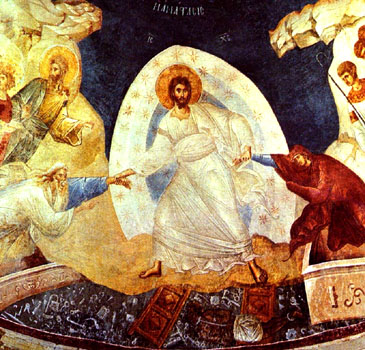
| Anastasis, Constantinople, Chora monastery, 14th cent. |
|
|
| Anastasis, Constantinople, Chora monastery, 14th cent. |
THE Orthodox icon of the Anastasis, the resurrection, depicts Christ’s descent into hell to rescue Adam, Eve, and the ancient Just. This famous 14th century fresco represents an iconographic tradition dating back to the early eighth century and a theological/literary tradition already present in the Scriptures and early church fathers, such as Melito of Sardis.
|
|
|
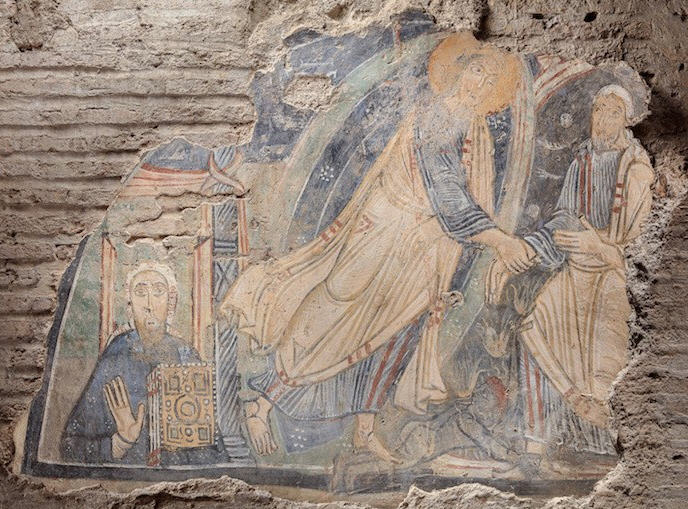
The Anastasis Santa Maria Antiqua, Rome (705–707) |
|
|
|
Oratory of John VII, 705. Drawing in Barb. lat. 2733 f .90v |
|
|
|
Oratory of Pope John VII 705 in Barb lat 2733 f.90v0-detail |
|
|
|
Anastasis San Clemente, Roma 800s |
|
|
|
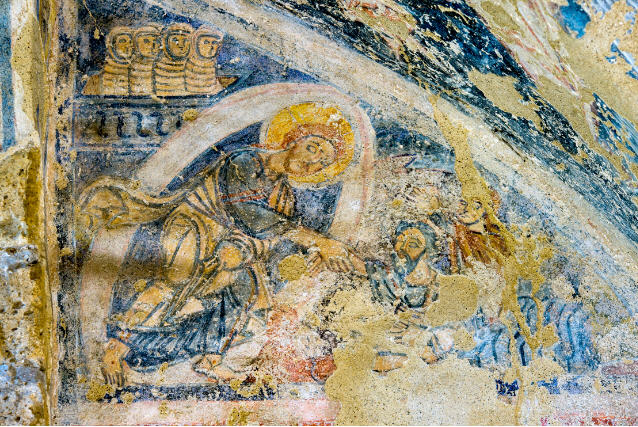
Anastasis SS. Martiri 800s Cimitile, Italy |
|
|
|
Anastasis Church of St John c.820 Müstair,Switzerland |
|
|
|
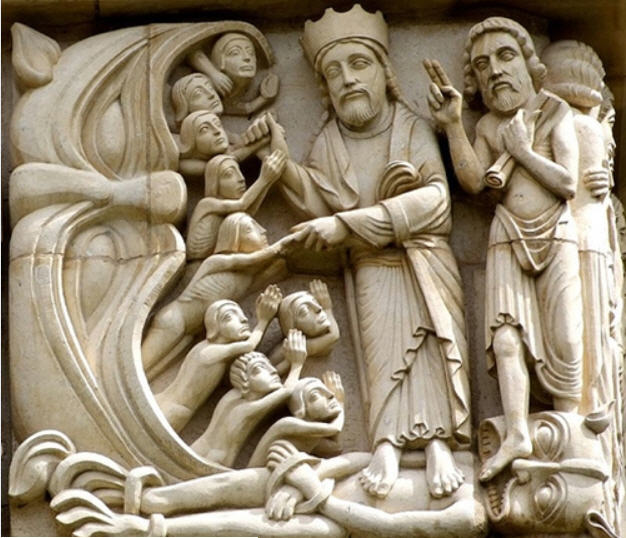
The Harrowing of Hell, Lincoln Cathedral 1120 (Sculpture restored) |
|
|
|
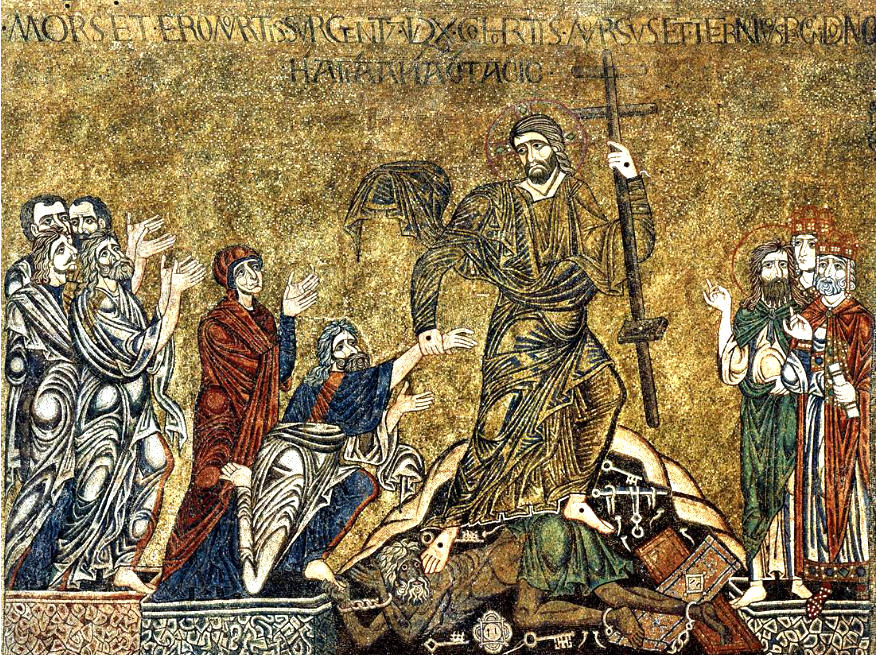
Anastasis ,Mosaic St. Mark's Basilica, Venice, Italy, 1200 |
|
|
|
|
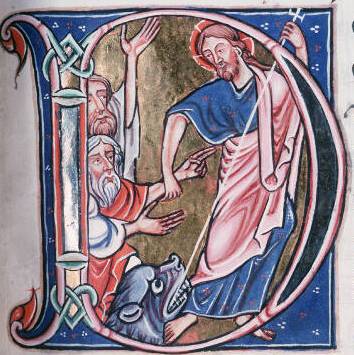
The Harrowing of Hell, Carrow Psalter, 1250 |
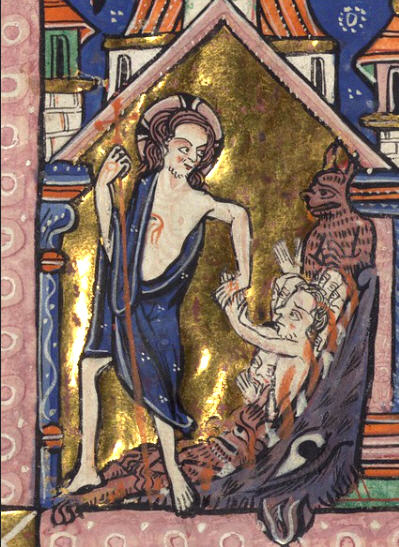
The Harrowing of Hell MS miniature (c1300) |
|
|
|
|
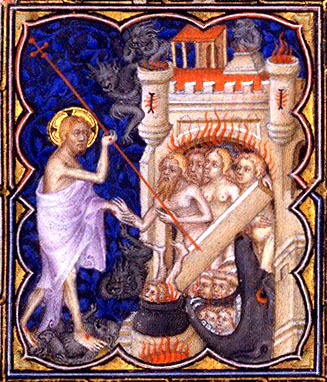
Petite Heures, the Duke of Berry, c. 1395 |
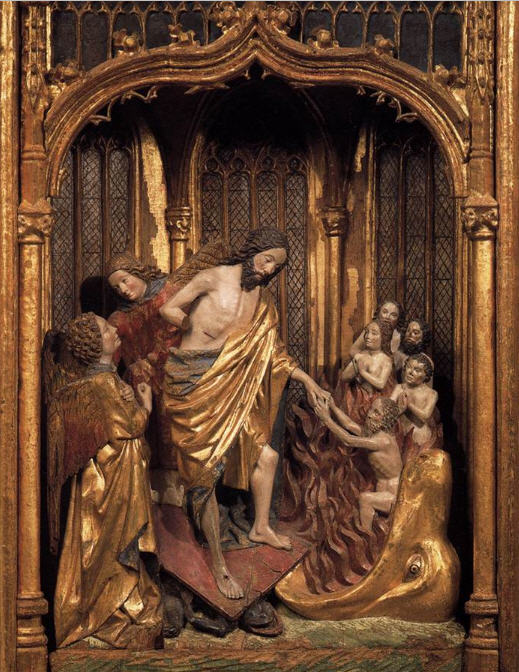
The Harrowing of Hell, Amsterdam, 1450 |
|
|
|
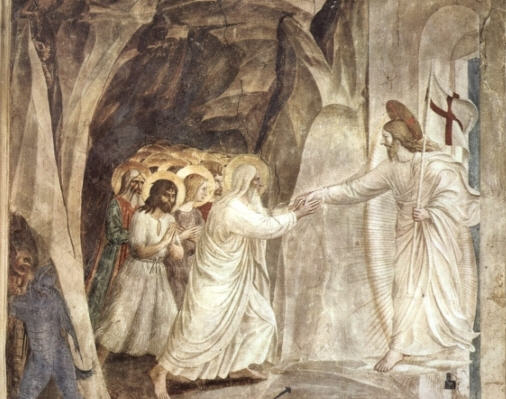
The Harrowing of Hell, Fra Angelico (1441) |
|
|
|
|
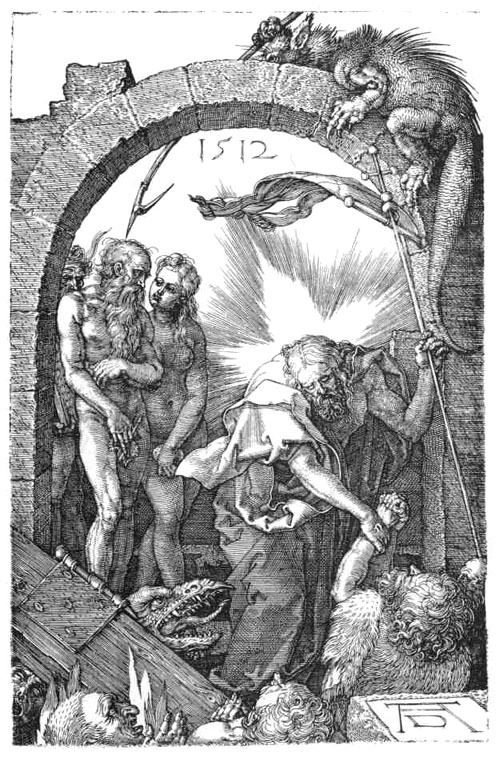
The Harrowing of Hell, Albrecht Dürer , 1512 |
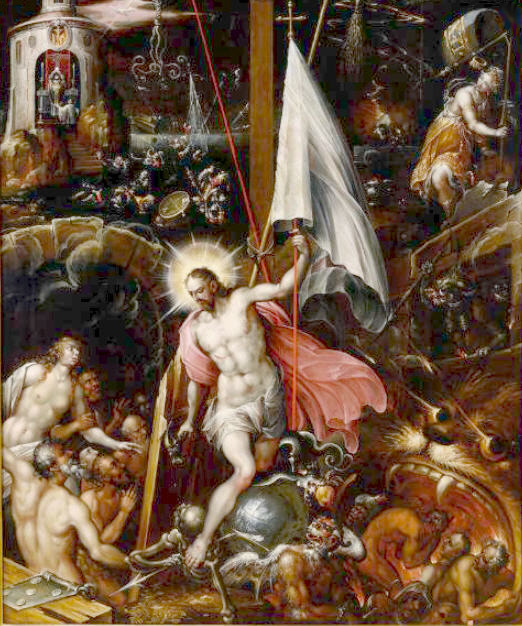
The Harrowing of Hell, c. 1600 |
|
|
|
|
The Anastasis Russian, 1405 |
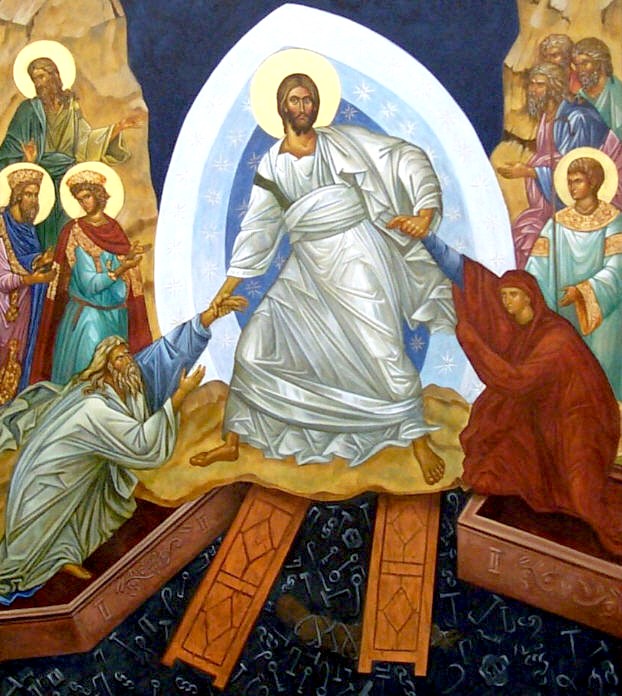
Ann Chapin, Modern Adaptation of Chora Anastasis |
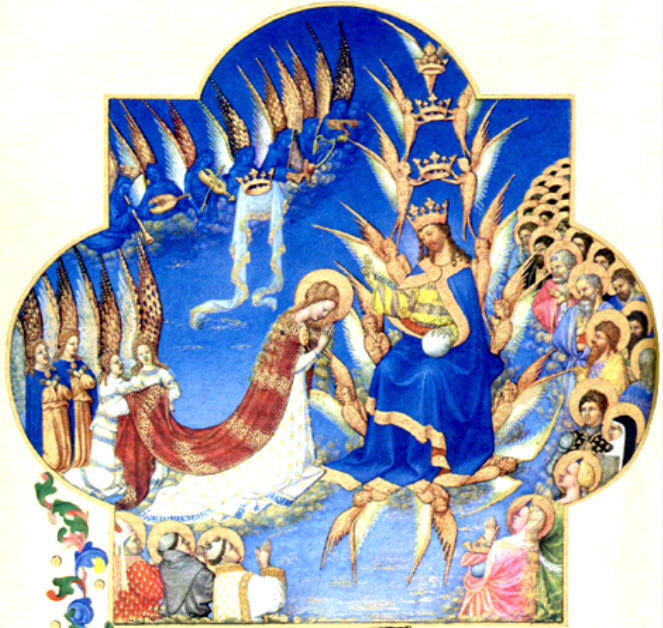
Tres Riches Heures of Jean, Duke of Berry (c. 1416)
|
|
| The Coronation of the Blessed Virgin Mary (fol. 60 v.) |
 |
.. “LISTEN, O daughter, give ear to my words. Forget your own people and your father's house, so will the king desire your beauty. He is your lord; pay homage to him, and the people of Tyre shall come with gifts; the richest of the people shall seek your favor.” The daughter of the king is clothed with splendor, her robes embroidered with pearls set in gold. She is led to the king with her maiden companions. They are escorted amid gladness and joy; they pass within the palace of the king. Psalm 44 (45), The Royal Bridegroom |
|
Christ the Bridegroom |
and the Company of Woman Saints (fol. 31 r.) |
|
|
|
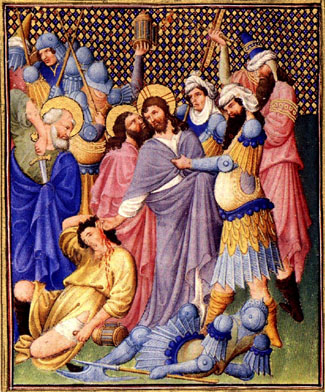
| Belles Heures of Jean, Duke of Berry, 15th cent. | Anastasis, Constantinople, Chora monastery, 14th cent. |
THESE two medieval images illustrate two complimentary theological perspectives of the question of the Apokatastasis – the restoration of all things in Christ: first, the soteriological and eschatological perspective; and second, the daily, psychological/moral perspective. On the one hand, the Orthodox icon of the Anastasis, the resurrection, illustrates Christ’s descent into hell to rescue Adam, Eve, and the ancient Just.
THE second image is of the betrayal in the Garden: here, too, Christ extends his healing* hand in a miniature world swirling in a frenzy of violence. But this second image also hints at the possibility of redemption from the daily hell of chosen violence and self-imposed isolation. How deep are the hells into which Christ descends, and how do we clasp the hand that leads us out?
This Webpage was created for a workshop held at Saint Andrew's Abbey, Valyermo, California in 1990